Why North Texas Clay Changes the Fence Game
If you own a home in Arlington, you already know that North Texas clay is no joke. This dense, expansive soil shifts dramatically with moisture changes, especially during our hot, dry summers and occasional heavy rains. That seasonal movement puts real stress on fence installations, and choosing between wood and vinyl becomes far more than just an aesthetic decision. It's about selecting a material that can actually withstand what our Texas climate throws at it.
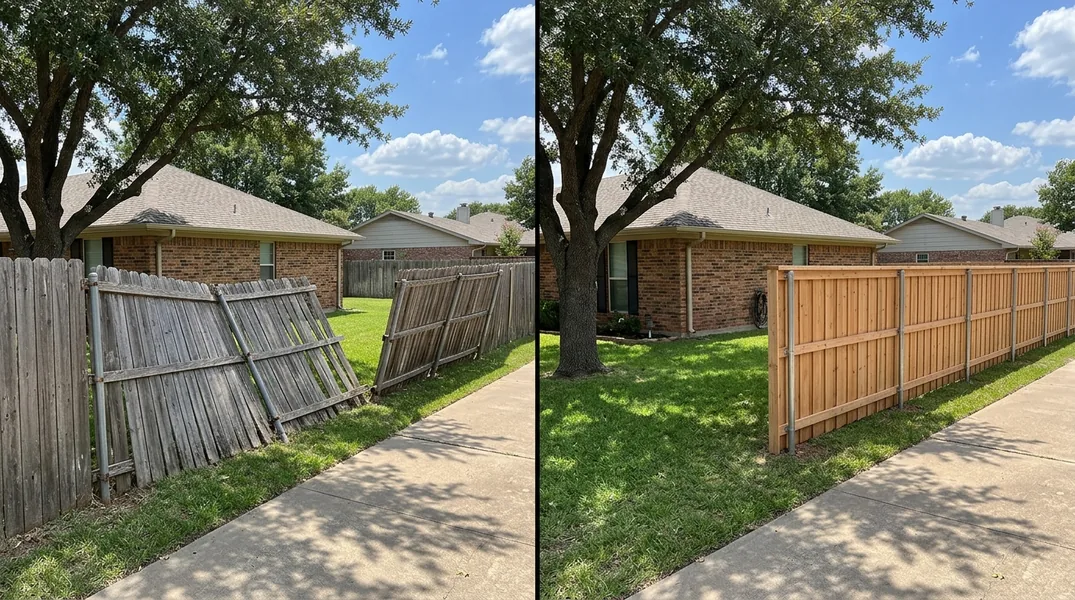
The clay beneath your property expands when wet and contracts when dry, causing the ground to heave and settle unpredictably. A fence that isn't properly installed or made from the wrong material can develop leaning posts, cracked panels, or gaps that compromise both privacy and curb appeal. Understanding how wood and vinyl respond to these conditions will help you make an informed choice that protects your investment for years to come.
Wood Fence Performance in Arlington's Climate
Wood & Privacy Fence Installation remains a popular choice among Arlington homeowners, and for good reason. Wood offers natural beauty, warmth, and a classic aesthetic that vinyl simply cannot replicate. Cedar and pressure-treated pine are the most common choices for privacy fences in North Texas, each with distinct advantages. Cedar naturally resists rot and insects, while pressure-treated wood is more affordable and engineered to withstand moisture exposure.
However, wood fences in North Texas require genuine commitment to maintenance. The intense Texas sun bleaches and weathers wood surfaces, while our clay soil's movement can cause posts to shift, leading to warping and misalignment. You'll need to apply stain or sealant every two to three years to prevent moisture penetration, wood rot, and insect damage. If you're willing to invest time and money into regular upkeep, a well-maintained wood fence can last 15 to 20 years. But if maintenance feels like a burden, wood may disappoint you within a decade.
Vinyl Fence: Low Maintenance, But Not Worry-Free
Vinyl & PVC Fence Installation has gained serious traction in recent years, largely because it eliminates the painting and staining cycle that wood demands. Vinyl fences resist fading, rotting, and insect damage, and they clean up easily with a garden hose and mild soap. For homeowners seeking the best low maintenance fence option, vinyl checks many boxes. It won't splinter, crack from UV exposure, or require annual treatments.
The catch with vinyl in North Texas clay is post stability. While vinyl panels themselves are durable, the posts that anchor them must be set deep and true in our shifting soil. Poor installation can result in leaning posts or panels that separate from their frames as the clay moves. Additionally, vinyl becomes brittle in extreme cold and can become soft in extreme heat, which means it's less forgiving of installation mistakes than wood. Quality vinyl fencing from reputable manufacturers typically lasts 20 to 30 years, but only if installed correctly by experienced professionals who understand North Texas soil conditions.
Vinyl vs Wood Fence Cost: What You'll Actually Spend
When comparing pricing for vinyl versus wood, the upfront numbers tell part of the story. Vinyl typically costs 20 to 40 percent more per linear foot than pressure-treated wood, though this gap narrows if you choose premium cedar. A 150-foot privacy fence in Arlington might run $3,000 to $4,500 for wood or $4,500 to $6,500 for vinyl, depending on height, style, and local labor rates. However, upfront cost is only one piece of the puzzle.
Over a 20-year lifespan, wood's true cost balloons when you factor in staining, sealing, repairs, and potential replacement of damaged sections. You might spend $500 to $1,000 every few years on maintenance supplies and labor. Vinyl's minimal maintenance keeps long-term costs lower, even though the initial investment is higher. If you plan to stay in your home for many years and value your time and money equally, vinyl often wins on total cost of ownership. But if you're budget-conscious right now and willing to maintain your fence actively, wood can be the more economical choice upfront. For a detailed breakdown tailored to your specific project, contact Arlington Fence Company at (682) 277-0410 to request a free estimate.
Durability and Lifespan in North Texas Conditions
Durability in North Texas clay depends heavily on installation quality and ongoing maintenance. Wood fences installed with proper post depth (typically 3 feet in our region) and concrete footings can handle seasonal soil movement reasonably well, though they remain vulnerable to rot if moisture penetrates the wood. Pressure-treated wood resists decay better than untreated cedar, but both materials eventually succumb to weathering if not protected. A neglected wood fence may fail in 10 years, while a well-maintained one can reach 20 years.
Vinyl fences offer superior resistance to the elements themselves, but their performance in clay soil depends on how posts are anchored. Posts set in concrete footings that extend below the frost line perform best, as they resist heaving from soil movement. Quality vinyl can last 25 to 30 years with minimal intervention. The trade-off is that vinyl panels cannot be easily repaired or refinished like wood can. If a vinyl panel cracks, you typically must replace the entire section. Wood panels can be sanded, refinished, or replaced individually, offering more flexibility for targeted repairs.
Making Your Choice: Which Fence Is Right for Your Arlington Home
Your decision between wood and vinyl ultimately depends on your priorities, budget, and lifestyle. Choose wood if you love the natural aesthetic, enjoy or don't mind regular maintenance, prefer lower upfront costs, and plan to actively care for your fence. Wood works beautifully in Arlington when treated with respect and attention. Choose vinyl if you value convenience, want predictable long-term costs, don't want to worry about staining or sealing, and can invest more money upfront for peace of mind.
Neither material is inherently superior in North Texas clay. Both can perform excellently when installed by professionals who understand local soil conditions and use proper techniques. The best fence material is the one that aligns with your expectations and lifestyle. If you're uncertain which direction to go, the team at Arlington Fence Company can walk you through the pros and cons specific to your property. Call us at (682) 277-0410 or reach out online to schedule a free estimate. We'll assess your soil, discuss your priorities, and help you choose a fence that you'll enjoy for decades to come.
Looking for a professional fence contractor in Arlington? Arlington Fence Company responds fast for all your fence needs.
Get a Free Quote