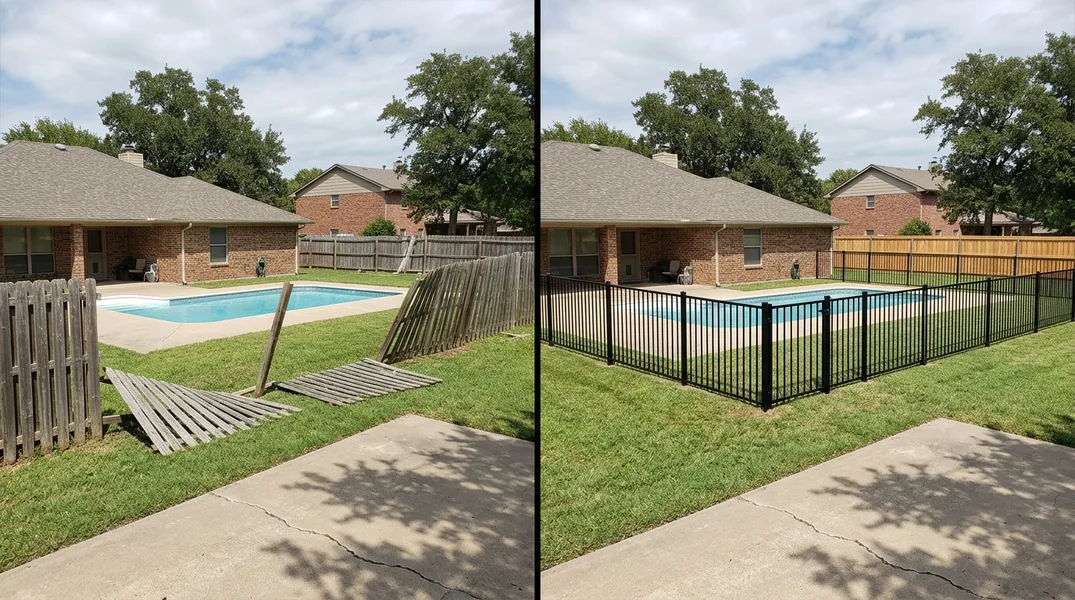
Understanding Texas Pool Fence Code Requirements
If you own a swimming pool in Arlington, you're required by Texas law to install a protective barrier around it. These aren't optional upgrades or nice-to-have features. Pool fence code requirements exist to prevent drowning, particularly among young children, and to ensure your property meets legal safety standards. Failing to comply with these regulations can result in fines, liability issues, and most importantly, preventable accidents.
Texas follows guidelines established by the International Swimming Pool and Spa Code (ISPSC), which has been adopted into the state's building codes. Arlington homeowners must ensure their pools are surrounded by a barrier that meets specific structural and operational requirements. These standards apply whether you have an in-ground pool, above-ground pool, or spa. Understanding what's required before you install or upgrade your pool fence will save you time, money, and potential legal headaches down the road.
Pool Fence Height Requirements in Texas
One of the most critical specifications for pool fence installation in Texas is the height requirement. Your pool fence must be at least 4 feet tall, measured from the ground level on the pool side of the fence. This height is measured from the lowest point of the ground to the top of the fence, so if your yard slopes, you'll need to account for that variation. A 4-foot barrier creates a significant obstacle that deters unsupervised access, particularly for small children who might wander into the pool area unintentionally.
The height requirement applies to all sides of the pool and any attached spas or hot tubs. If your pool is adjacent to your home, the wall of the house can serve as one side of the barrier, but the other three sides (or more, depending on your pool's shape and location) must meet the 4-foot minimum. Many Arlington homeowners choose to install Wood & Privacy Fence Installation around their pools because wood fences naturally provide the required height while also enhancing yard aesthetics and providing additional privacy beyond the pool area.
Self-Closing Pool Gate Requirements and Safety Standards
Beyond the fence itself, Texas law requires that any gate providing access to your pool area must be self-closing and self-latching. This means the gate cannot remain open unintentionally. A self-closing pool gate uses a spring or pneumatic mechanism to automatically close after someone passes through, while a self-latching mechanism ensures the gate actually locks in place once closed. These features are non-negotiable components of pool fence installation and are designed to prevent accidental entry by children or pets.
The self-closing gate must also close and latch from both sides of the fence. This is important because it prevents someone from entering the pool area and then being unable to exit properly. The gate should not have any gaps that would allow a child to squeeze through, and hinges should be positioned so they cannot be removed from the outside. Additionally, the latch mechanism must be positioned at least 54 inches above the ground to keep it out of reach of young children. When you're planning your pool fence installation, working with professionals who understand these specific requirements ensures your gate meets all safety standards and legal obligations.
Additional Pool Barrier Requirements Beyond the Fence
While a properly installed fence is the primary barrier, Texas code allows for multiple layers of protection around pools. Some homeowners use a combination of fencing, alarms, covers, and supervision strategies to create a comprehensive safety system. However, the fence itself must still meet all height and gate requirements regardless of what other protective measures you implement.
Doors leading from your home directly to the pool area must also be equipped with self-closing, self-latching mechanisms. Windows and glass doors should have safety devices that alert caregivers if they're opened. These additional requirements recognize that pool safety is multifaceted and that a single barrier isn't always sufficient. If your home has direct access to the pool area, you'll need to address those entry points as part of your overall compliance strategy. This is why many homeowners in Arlington prefer to have a complete perimeter fence that isolates the pool area entirely from the house, making compliance simpler and supervision easier.
Choosing the Right Fencing Material for Your Pool Area
When selecting materials for your pool fence installation, you have several options that all meet Texas code requirements. Wood & Privacy Fence Installation remains popular among Arlington homeowners because it provides excellent privacy, attractive aesthetics, and solid protection. Wood fences also allow you to customize height and design to complement your home's architecture. However, wood requires regular maintenance, including staining or sealing every few years to prevent rot and weather damage.
Alternatively, Vinyl & PVC Fence Installation offers a low-maintenance option that meets all code requirements. Vinyl fences don't require staining or sealing, resist fading and weathering, and can last 20 to 30 years with minimal upkeep. They're available in various colors and styles, though they typically cost more upfront than wood. Chain Link Fence Installation is another code-compliant option that's budget-friendly and durable, though it offers less privacy than solid fencing materials. Some homeowners also consider Aluminum & Ornamental Iron Fencing for a decorative yet functional pool barrier. The best choice depends on your budget, maintenance preferences, aesthetic goals, and long-term plans for your property.
Getting Your Pool Fence Installation Done Right
Installing a pool fence that meets Texas code requirements is not a typical DIY project. Building codes are specific, inspections are required, and mistakes can result in fines or safety hazards. Professional fence installers understand the nuances of pool fence code requirements, know how to properly measure and install self-closing gates, and can navigate the permit and inspection process. When you hire experienced professionals, you're ensuring your installation is done correctly the first time.
Arlington Fence Company specializes in pool fence installation and understands exactly what Texas law requires. Our team can help you select the right material, design a fence that complies with all height and gate requirements, and handle the installation with precision. We've worked with countless homeowners in Arlington to create safe, attractive pool barriers that protect families while enhancing property value. If you're ready to install or upgrade your pool fence, contact us at (682) 277-0410 or request a free estimate to discuss your project. We'll answer your questions, explain your options, and provide transparent pricing for your pool fence installation.
Looking for a professional fence contractor in Arlington? Arlington Fence Company responds fast for all your fence needs.
Get a Free Quote